

From the moment we started building Ravenous, we knew freelancers had to be part of our editorial ecosystem. We want to work with writers, photographers and illustrators who can bring us incisive, varied points of view from all around the country. If we could pay more talented people to do the work they do, and give them a contract with fair conditions (as one of the original organizers of the Freelance Solidarity Project this is very important to me!), we’d consider that money and effort well spent.
Now, about three months into publishing, we’re hoping to be able to commission some freelance work soon (though not yet! Hold your horses, freelancers!). We’re getting contracts and budgets in order, and drafting our pitch guidelines. And as we navigate this process, I find that I have grown even angrier at the way generative AI is affecting the media industry. As if the layoffs weren’t bad enough, now we have to worry about being scammed by pitches.
At this point, you’ve likely seen a story of a publication that has had to retract a story it discovered was “written” by AI. A whole bunch of publications, including Wired, Business Insider, the Dispatch, and Scalawag were taken in by pitches by “Margaux Blanchard,” who it turns out is not a real person, and had to take down articles they realized had been fabricated with generative AI. Our comrades at Coyote wrote about how they almost commissioned an article based on an AI-generated pitch by a fake writer, and were only saved by co-founder Soleil Ho’s esoteric knowledge of how social security numbers are assigned.
This fakery isn’t just happening in digital media. Bona Books almost published two AI-generated stories for an upcoming anthology. “This scandal has stolen months of capacity, time, labour, money, and attention away from the genuine queer writers that we exist to support,” they write. “It has forced us to treat the very new voices that we aim to platform with skepticism, putting an ugly and suspicious lens over our joyful volunteer enterprise.”
We are told that there are linguistic “tells” that should make an AI-generated story obvious — lists of three, “not X but Y” constructions, a conspicuous use of the punctuation marks surrounding this aside, which coincidentally puts this list at three — but those are only tells because AI generated writing is stolen from humans. It sounds like that because that’s how a lot of people write, and it distills all of our creativity and individuality down to the lowest, most boring denominator. And of course, AI “detectors” don’t work. This all means that being duped can happen to any of us, no matter how smart or savvy or well-read.
The goal of most publications is to cultivate trust. That’s especially true for subscription-driven publications like ours — if you’re giving us $70 a year, we want you to feel like your money is spent on people who took time and effort to get our work right. But building that trust is incredibly difficult when simulacrums of the work are everywhere. Plenty of websites are willingly publishing AI-generated articles and images, not caring if the quotes are completely fabricated or the picture is of a place that doesn’t exist. How are readers supposed to trust anything in the face of so much fakery?
On the precipice of soliciting freelance work, I asked some colleagues about what they were doing to protect their publications from getting got by AI, and the responses were depressing. Some reported spending more time poring over a writer’s or photographer’s clips, or requiring video interviews to make sure freelancers were actually real, which cuts into other work they could be doing. And multiple publications said they had just decided to close open freelance calls altogether, instead only accepting pitches from people they already knew, or from friends-of-friends who could be personally vouched for. It makes perfect sense when the other option is wading through AI-generated emails and potentially publishing a completely fabricated story from a person that doesn’t exist. But operating on a who-you-know basis recreates the environment of gatekeeping, privilege and closed ranks that so many of us in worker-owned media are trying to fight.
I write this because transparency is a core part of our ethos, and of course who doesn’t love a little peek behind the scenes? But I also write this out of desperation. I keep hearing people argue that generative AI is a tool, but what is it actually being used for? Who does this help? Not us, not readers, and certainly not freelancers, who are now more likely to be ignored if they are new to their careers and unknown to the editors they’re trying to pitch.
According to Upwork, which ridiculously categorizes all freelance work as a “career choice,” 39% of American workers freelance in some capacity. I have spent about half of my career as a full-time freelancer. Most of us at Ravenous continue to freelance to pay the bills, and anecdotally, almost none of the writers, editors, illustrators, or photographers we know have full-time jobs. But now, it feels like we’re being forced to view our comrades in underemployment with distrust, to treat every pitch in our inbox as a scam. Nobody actually wants to live this way, but I don’t know what else to do.
We will figure out something that works for us, that hopefully allows for us to publish new-to-us voices and some of our old friends. It just shouldn’t be this hard. And sorry, I guess, if you’re a freelancer whose name is actually Margaux Blanchard.
Every dollar helps us build our budget to pay actual freelancers for more amazing food and culture writing.
New on Ravenous This Week
 Ashok Selvam
 Jaya Saxena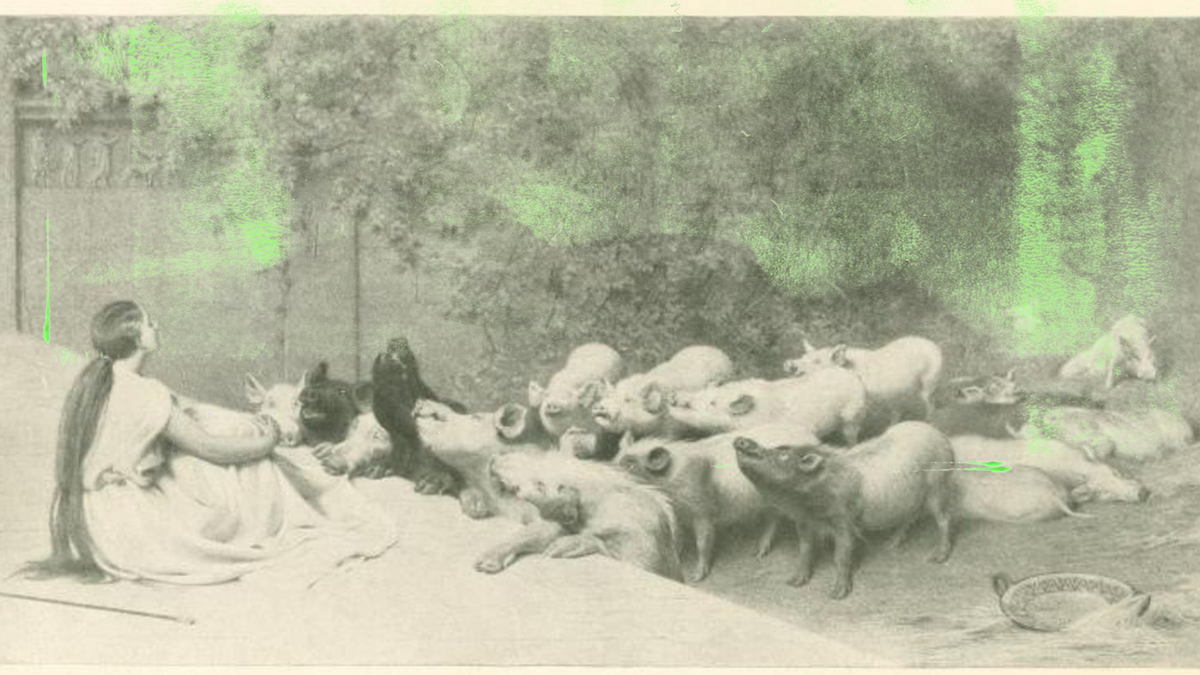
 Jaya Saxena
🐦⬛ Bird Droppings
- Ashok was on WBEZ talking about what makes being a regular at a restaurant or bar so special (and how nice it is when those spots get your Indian name right).
- I loved this interview in Gourmet about a guy who edits food pages on Wikipedia.
- The campaign Free Ben & Jerry's, including Ben & Jerry's founder Ben Cohen, is calling for The Magnum Ice Cream Company to allow Ben & Jerry's to become an independent ice cream company again. "Since 2021, under Unilever and now Magnum’s ownership, the company’s mission, brand values, and independence have been repeatedly compromised," writes the campaign, including Magnum preventing the brand from calling for a ceasefire in Gaza. They're also calling for a boycott of Magnum, which includes brands like Talenti, Breyers, and Good Humor.
- A reminder that the cyclospora outbreak is made worse by the fact that only a handful of companies are in charge of much of our food supply chain, offering the illusion of choice and diversity in the grocery aisle when very little difference actually exists.


