

In Montana, Mariah Gladstone’s childhood tasted like wild raspberries and mushrooms foraged with her grandmother. Those years were fueled by the elk, deer, and moose meat hunted by her cousins, and the wild rice her family kept in five-gallon buckets in the basement of their home. The Cherokee proverb, “No self-respecting Cherokee would ever be without a cornpatch,” was often repeated by her mother.
Gladstone, who is Blackfeet and Cherokee, always kept a garden in her youth. She wasn’t estranged from the ingredients that fed generations of her ancestors. “I got to have a good understanding that food didn’t just come from the grocery store,” she said. Now, Gladstone is the mind behind “Indigikitchen,” an online cooking show, where she shows her audience that they’re likely already enjoying Indigenous foods — though perhaps unknowingly.
Squash, blueberry, pumpkin, raspberry, prickly pear, and cranberry are all Native to North America. Corn, vanilla, and other fruits and vegetables eaten today are a result of the care and keeping of Indigenous communities for centuries. Gladstone reteaches Indigenous food knowledge through her cooking classes and recipes like her butternut squash and bison lasagna. “I don’t think that people have historically recognized those contributions to world cuisines,” she says. “The more we talk about it, the more people recognize some of the things that they already have access to.”
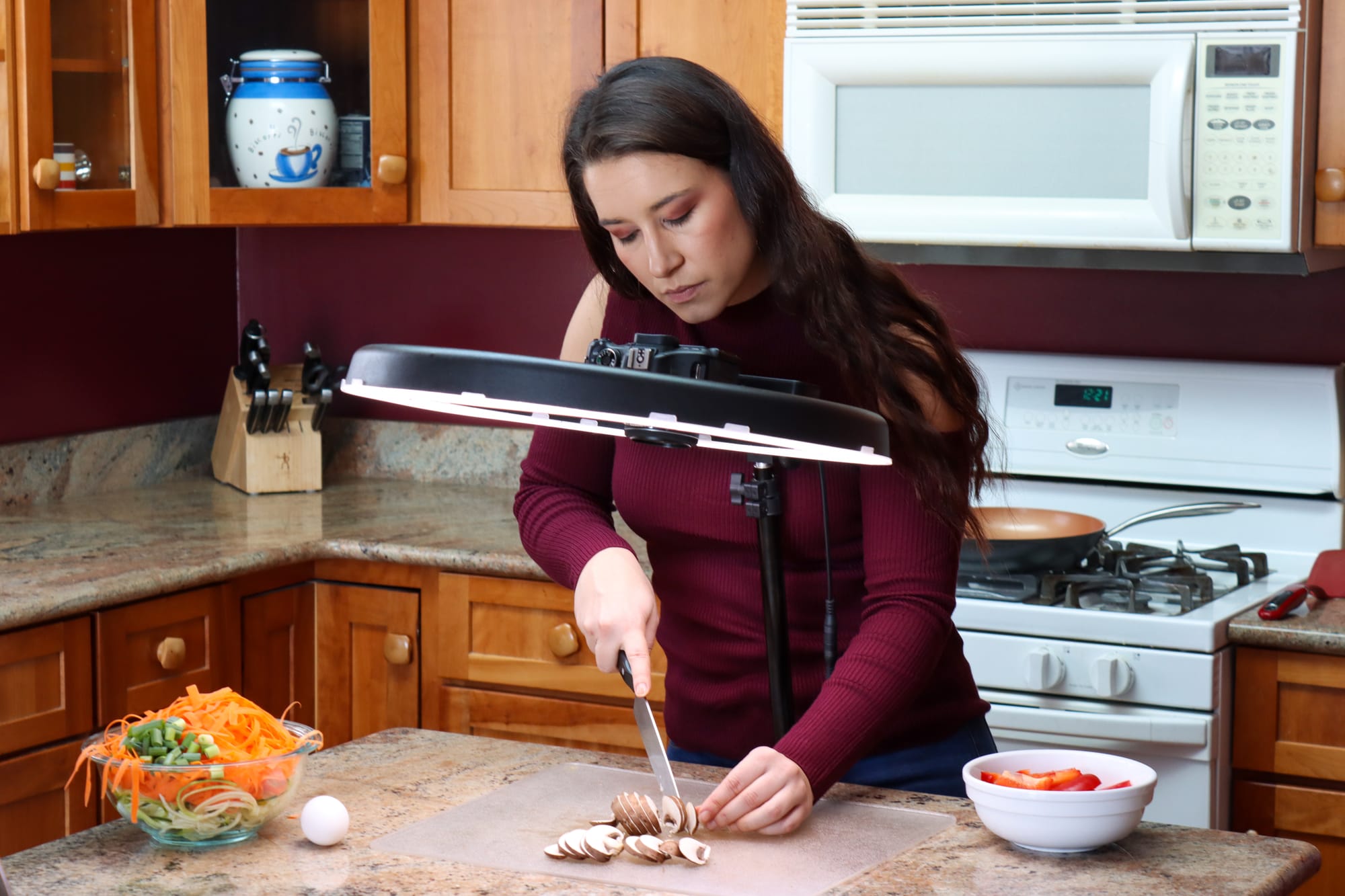
Gladstone is among a handful of Native American, Alaska Native, and Kānaka Maoli (Native Hawaiian) chefs on Turtle Island — the Indigenous name for North America — to reintroduce the public to the continent’s original foods. They’re reviving Native cuisine in their restaurants and cookbooks. “It’s not just a matter of making sure that people have access to foods,” Gladstone says. “It’s also making sure people know how to work with those foods again.”
The diets of Indigenous communities have shifted dramatically over centuries, from whole foods eaten before contact with settlers to processed rations thrust upon reservations by the U.S. government. In a bid to return to health and wellness, some Indigenous culinary leaders are working to make Native foodways — and Native cooking — more accessible, with wild rice, huckleberries, sunchokes and bison all part of the comeback.
While farm-to-table dining trend touts local sourcing and alternative market models, Indigenous food systems have been connected to the land for generations, built on ancestral knowledge, land stewardship practices, and spirituality. But today, those foodways are the exception, not the rule. They only operate in a limited capacity. To expand Indigenous food systems and serve more people, some point to the very beginning: the seeds and the farms. Others find the answer in ramping up demand for that supply.
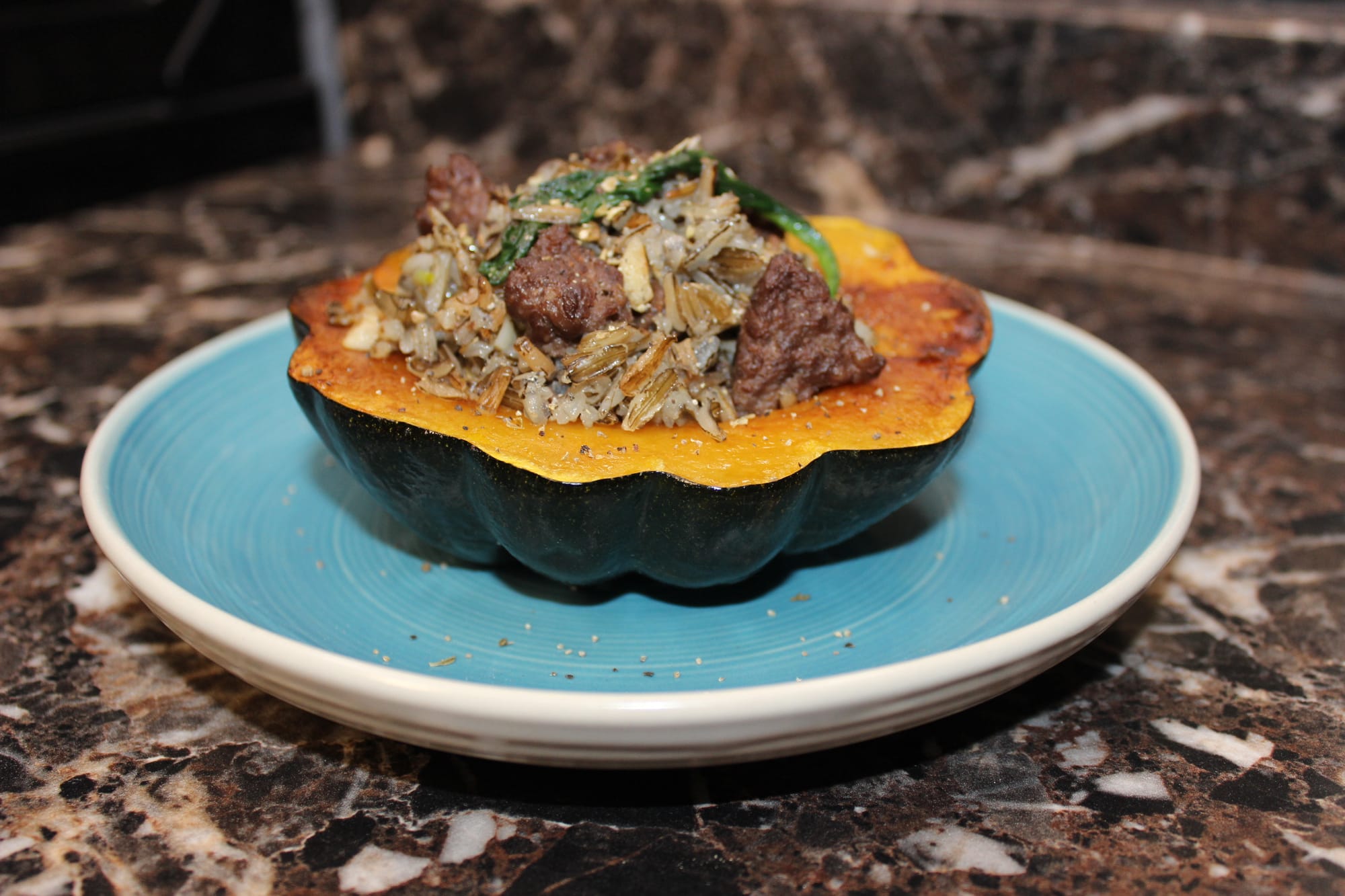
At Wahpepah’s Kitchen, in Oakland, California, chef Crystal Wahpepah, who belongs to the Kickapoo Tribe of Oklahoma, also works with ingredients that may already be familiar to non-Native American diners. She serves manoomini (wild rice fritters), otaimaaki (deer sticks), and chipaeesiihooni aapikooni (wild native mushroom pumpkin seed mole). “We’re preserving the foods and still cooking with these foods,” Wahpepah says. “But it just so happens to be in a different form.”
Wahpepah’s Kitchen is also deeply dedicated to Indigenous food sovereignty. The top of the restaurant’s menu informs diners that the restaurant “aims to use Indigenous knowledge and expertise to transform food systems so they honor the origins, land, and Indigenous connection to each ingredient by cultivating and sustaining connections to Indigenous farmers and land stewards.” Wahpepah teaches both her staff and guests about sourcing Native foods and keeps a public display of Indigenous seeds for public viewing. “That’s something that’s been missing,” she says. “People don’t really know where their food comes from.”
Wahpepah noticed the absence of Native American cuisine in the broader restaurant scene for years. “Everywhere I would travel, I’d never see Native American foods,” she says. Decades of government policies forcing Indigenous assimilation in Alaska, Hawai‘i and the continental U.S. worked to estrange those communities from their ancestral cultures, including dietary practices. Native foodways like seed exchanges and dry farming — an agricultural method that utilizes natural moisture — revive those traditions, promoting Indigenous cooking in the process.
Ravenous is a worker-owned publication that runs on subscriptions from readers like you. Subscribe today for access to everything we publish.
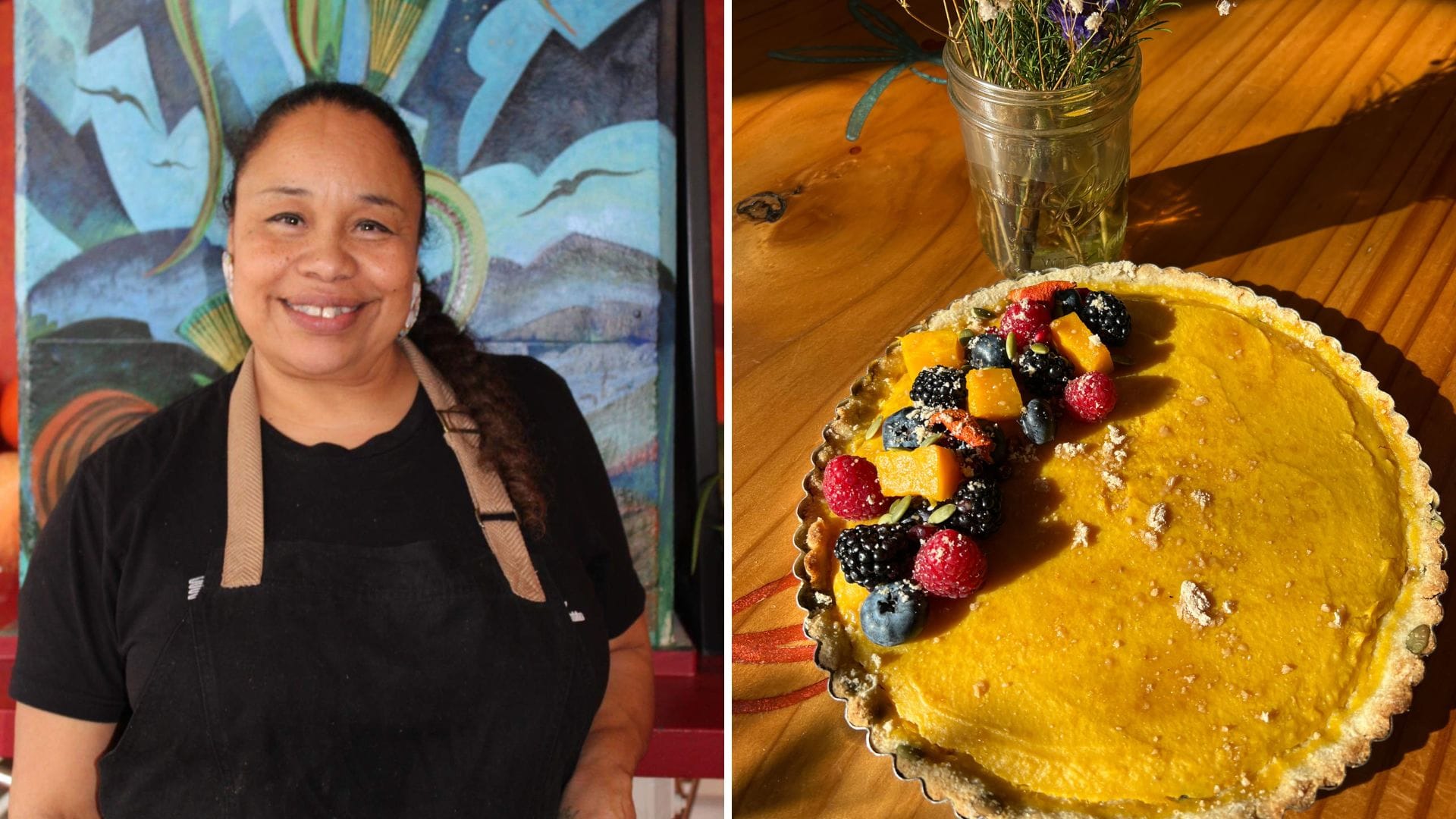
Wahpepah safeguarded her family’s own recipes for corn soup and other dishes, passed down from her grandmother and aunties. Her recent cookbook, A Feather and a Fork: 125 Intertribal Recipes From an Indigenous Food Warrior, reflects those efforts, with dishes like sweet blue cornbread with huckleberry compote, bison roast with chokeberry rub, and acorn muffins. But Wahpepah also encourages others to connect with their own local producers, and with other Indigenous foodways. She partnered with The Cultural Conservancy, a Native-led nonprofit in San Francisco, to grow her own beans and squash — two of the “Three Sisters,” a trio of important Native American crops that also includes corn. She practices dry farming, using rainwater to raise her crops instead of relying on irrigation. And she is a proponent of seed exchanges, or the practice of swapping regional native seeds, like the Native American Food Sovereignty Alliance’s Indigenous Seed Keepers Network.
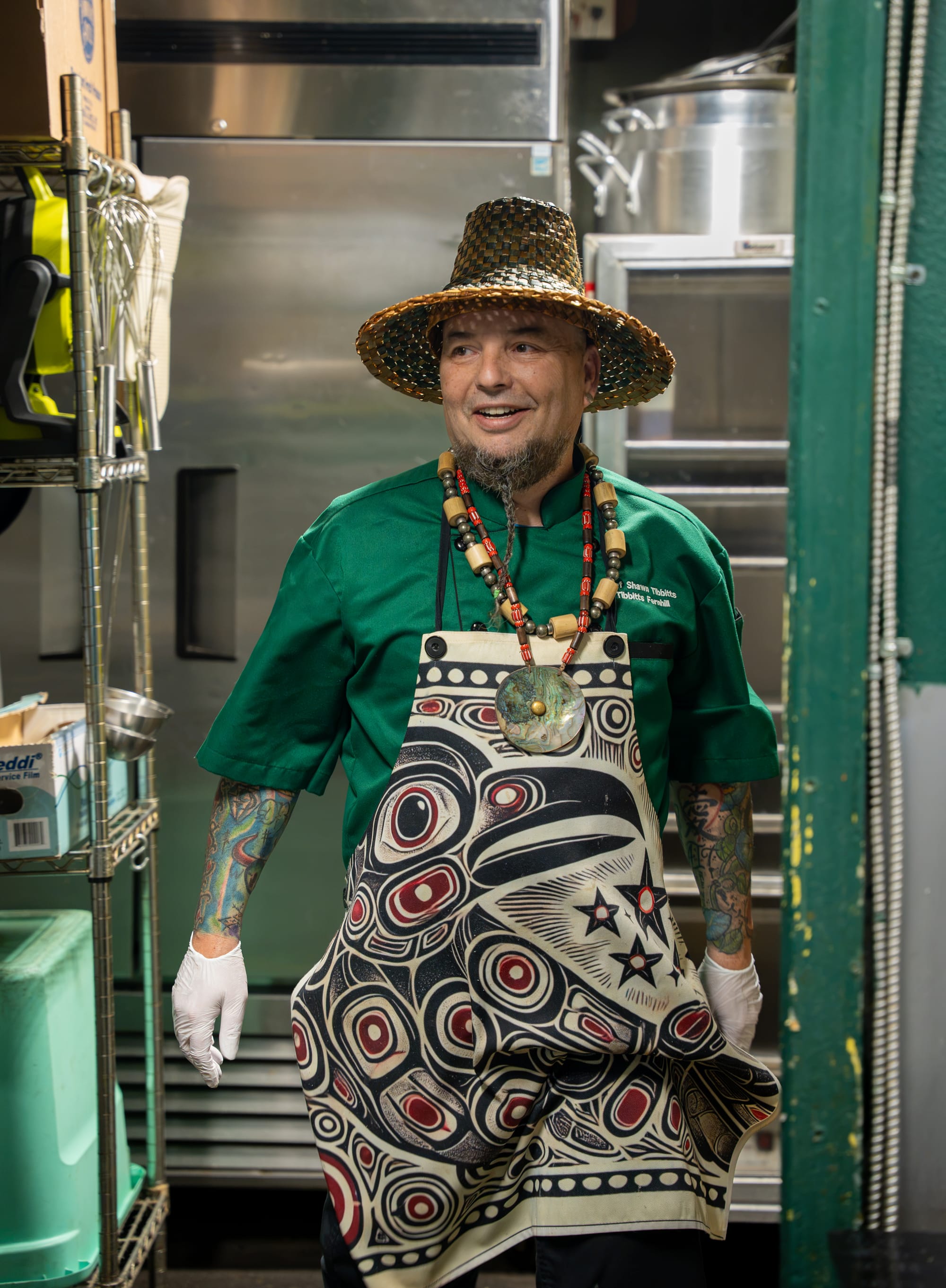
Chef Shawn Tibbitts, who is Aleut, Yupik, and Alutiiq, runs Tibbitts @ Fern Hill in Tacoma, Washington, which serves an Indigenous brunch Fridays through Sundays. The menu features ingredients like reindeer sausage gravy, seasonal berries, roasted pumpkin, smoked salmon, and roasted corn. “The only problem with trying to incorporate more Alaska food is the health department,” Tibbitts says, referring to his ongoing hunt for moose and bear meat approved by food safety regulators — a monumental task to source properly.
Tibbitts would like to see more Native tribes in particular set aside land for agriculture. He highlights the work done by Melissa Meyer, who belongs to the Tsimshian First Nation, at Tacoma’s Rose Island Farm. She tends the land, harvests, cans, preserves, and hosts workshops — including rabbit hide tanning — on the one-acre property. Others are doing this work on an even larger scale. San Xavier Co-op Farm, which is around 900 acres, is managed by the Tohono O'odham Nation in Tucson, Arizona, and the Ute Mountain Ute Tribe grows corn, alfalfa, and wheat across approximately 7,700 acres at the Farm and Ranch Enterprise on its reservation in rural Colorado.
“If the source is solid, we’re gonna be solid,” says Tibbitts.
A widespread cultural introduction to Native foods could improve the feasibility of Indigenous foodways, according to Southern California-based chef Charles Akau IV of Mila’s Kitchen Kitchen Hawaii. And it can show non-Native people that Indigenous foods are not static. In Hawai‘i, recipes are spreading that transform a longtime staple like ʻuala (Hawaiian sweet potato) into mashed potatoes and hash.
Originally from Līhuʻe, Kauaʻi, the Kanaka Maoli chef works with Hawaiian staples including kalo (taro) and ‘ulu (breadfruit). In the Hawaiian creation story, kalo is considered the firstborn child of Wākea, the sky father; and Hoʻohōkūkalani, the star deity. Meanwhile, ‘ulu was one of the canoe plants: around two-dozen crops originally brought by ancient Polynesian seafarers to Hawai‘i for sustenance.
Kalo is the main ingredient in Hawaiian classics, such as poi, a starchy mash; and kūlolo, a dessert. While Akau concedes that kalo may not be “the most appealing food” through a Western lens, kalo can be turned into popular American classics like chips and fries.
In 2025, Akau was asked to brainstorm a pre-packaged dessert line for the Disney Festival of Holidays at Disneyland. He wanted to introduce panipopo, or sweet coconut buns, derived from a Pasifika neighbor, Samoa. He asked himself: “What are some of the flavors that the American audience understands?”
So Akau stuffed the panipopo roll with ube halaya, the Filipino purple yam jam, and rolled it like a cinnamon roll. Then, he topped each with ube, pandan, or mango, serving coconut sauce on the side. Thus, the Island Swirl was born. “The look may not be panipopo, but the true essence of it is panipopo,” Akau says. “You kind of have to ease them into it.”
Looking forward, Gladstone believes the momentum to expand Native foodways is moving in the right direction. But she warns against removing Indigenous history through whitewashing and rebranding age-old Native practices as regenerative agriculture.
“Looking back at history, there was very intentional work done to disconnect us from our food,” she says. “This is not new knowledge. This is ‘knew,’ with a K. As in, it’s things that we have known.”
Author’s note: Megan Ulu-Lani Boyanton identifies as Kanaka Maoli.
Leave us a tip! All the donations in our tip jar fund our incredible reporting, cultural criticism, and freelance work.


